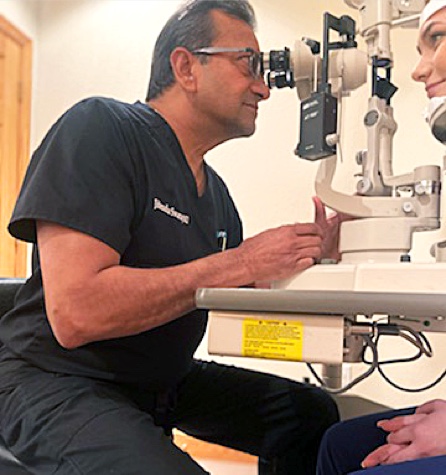



Reviewed By: Dr. Lindsay.
During the winter and autumn months, factors such as drier air, indoor heating, and gustier weather can all make wearing contact lenses a gritty, uncomfortable ordeal. These months also typically experience lower humidity, which leads to the tear film thinning and causes lenses to dehydrate more rapidly. This, in turn, causes more dryness, more deposits, and a higher chance of irritation or infection. With a few seasonal adjustments, however, you can keep your vision clear and comfortable while wearing your lenses.
Why seasonal contact lens care matters
The tear film serves as a cushion between the lens and the cornea. When humidity drops (outside in cold air and inside as a result of heating), that cushion evaporates more quickly. Drier surfaces mean lenses feel sticky, proteins and lipids build up more quickly, and micro-abrasions are more likely to occur if the eye is rubbed. With cold/flu season also having to be accounted for (which brings more eye-touching, less-than-perfect hygiene), minor lapses can easily become significant problems. Seasonal contact lens care is simply about protecting the tear film and keeping lenses clean, even as conditions work against you.
Best practices for autumn/winter wear
These habits reduce dryness, deposits, and the risk of infection without requiring a complete overhaul of your routine.
Start with clean, dry hands: Wash your hands for 20 seconds, rinse thoroughly, and dry them with a lint-free towel before handling your lenses. If you must use sanitizer, let it fully evaporate first.
Use fresh solution every time: Never top off or reuse. If the solution has been exposed to freezing temperatures (e.g., car, garage, mailbox), replace it—it may not disinfect correctly afterward. Swap your case every three months.
Clean reusable lenses thoroughly: Rub and rinse as directed, even with “no-rub” solutions. If you notice more haze by the end of the day, consider adding a weekly enzymatic cleaner to help remove deposits.
Consider daily disposables: A fresh lens each morning skips the deposit problem entirely and often feels better when the air is drier. They can be a seasonal switch, even if you typically wear monthly products.
Build in glasses time: Give corneas a nightly oxygen break. If a day is especially windy or the heat’s blasting, switch earlier and let the surface recover.
Keep a spare kit nearby: A small, travel-size solution and rewetting drops in your bag make it easier to stay on track when plans change.
Managing seasonal dryness & irritation
Prioritize prevention. Focus on keeping the surface moist, shielding from the wind, and avoiding direct hot airflow.
Use lubricating drops proactively: Preservative-free rewetting drops, designed for safe contact lens wear, can be used several times a day. Stash single-use vials at your desk, in a coat pocket, and in the car.
Add room humidity: Forced-air heat routinely drives indoor humidity below 30%. Using a bedside or desk humidifier to maintain a relative humidity of around 40% helps the tear film last longer. Empty and clean humidifiers regularly.
Shield outdoors: Wraparound sunglasses or clear sports frames cut wind and debris. Winter UV is real—snow glare can amplify exposure—so UV-blocking lenses still matter.
Re-aim heat: Point the car vents toward your torso/feet, not your face. Sit back from space heaters and fireplaces; hot airflow accelerates tear evaporation.
Hydrate and blink: Screen time drops blink rate. Use the “20-20-20” rule (every 20 minutes, look 20 feet away for 20 seconds) and drink water steadily throughout the day.
Mind makeup and creams: During dry seasons, emollient products tend to migrate more easily. Keep liners off the waterline, choose non-flaking mascara, and let eye creams absorb before inserting lenses.


Red flags that merit seeing your eye doctor
Remove lenses and call if you notice:
- Pain, light sensitivity, or worsening redness
- Thick discharge or persistent tearing
- Sudden blur that doesn’t clear after lens removal
- Foreign-body sensation that persists
- A lens that repeatedly won’t center or feels wrong
Pause wearing your lens if you have a cold or the flu. Illness increases the risk of infection and can make lenses intolerable. Resume only when you’re fully recovered and your eyes feel comfortable again.
A simple seasonal checklist
- Wash/dry hands before every lens touch
- Fresh solution daily; replace your case quarterly
- Keep rewetting drops handy; use before discomfort starts
- Add a humidifier where you spend the most time
- Shield eyes in wind/sun; re-aim car vents away from your face
- Build in nightly glasses time for oxygen and recovery
- Stop wearing and call if pain, light sensitivity, or discharge appears
Ready for a comfort reset?
If autumn and winter have made your lenses less comfortable, a quick contact lens eye exam can identify fit or material issues and update your care steps. Albemarle Eye Center can also review contact lens fitting options—from daily disposables to moisture-friendly designs—and establish a simple contact lens exam and fitting schedule that suits your routine. A few targeted changes now can keep lenses comfortable all season.
FAQs
Can contact lenses freeze on your eye?
No, your body temperature prevents that. Lenses can feel stiffer in extremely cold conditions, and solutions left in a freezing car can fail; discard and replace cold-exposed solutions.
Are some lenses better for dry conditions?
Yes. Daily disposables and certain silicone hydrogel designs with moisture-retaining surfaces tend to remain comfortable longer in dry air. Your doctor can match material and replacement schedule to your tear chemistry.
Is it ever okay to sleep in contacts? Even “just once in a while”?
Sleeping in contact lenses raises the risk of infection, and that risk increases in winter when eyes are drier. Plan for glasses at night.
How often should I replace lenses in winter?
Follow the prescribed schedule. If comfort drops before the change date, discuss switching to dailies or a different material rather than stretching wear time.
Why do my eyes water more outdoors in the cold?
Cold wind triggers a reflex tear surge to rewet the surface. It’s protective but can blur vision; wind-shielding eyewear helps.
Do preservative-free drops matter?
They’re gentler for frequent use and helpful if you’re already dry. Single-use vials avoid preservative buildup.
When should I switch to glasses for a few days?
Any time you have persistent dryness, redness, or irritation despite good care. A short break lets the surface stabilize and usually restores comfort.