
Protecting Your Vision
As you age, the risk of developing eye diseases increases. Glaucoma is a group of eye conditions that damage the optic nerve and is one of the leading causes of blindness for people over the age of 60. It can occur at any age but is more common in older adults. Glaucoma can gradually damage your sight, so you may not notice a loss in vision until the disease has progressed to an advanced stage.
Our glaucoma specialists at Albemarle Eye Center understand how glaucoma can develop and affect your eyes and offer treatment to help protect your vision. If you have glaucoma or are at risk of developing it, contact us and book your glaucoma eye surgery appointment today.


All You Need to Know About Glaucoma
Glaucoma often progresses when the optic nerve has been irreversibly damaged, with different degrees of permanent vision loss. If left untreated, glaucoma can eventually lead to blindness. For patients who do not respond to medication alone, glaucoma eye surgery may be recommended to help control eye pressure and protect remaining vision.
Glaucoma develops when too much fluid pressure builds up inside the eye—this increase in eye pressure is called intraocular pressure. Intraocular pressure can damage the optic nerve that transmits images to the brain.
Without proper treatment, glaucoma can eventually cause blindness. A comprehensive eye exam with our glaucoma specialists can help detect even the slightest signs of glaucoma.
Types of Glaucoma
Glaucoma is a group of eye diseases that target your optic nerve. The optic nerve carries the information your retina receives to your brain, providing you with sight.
Determining which type of glaucoma you have is an essential step in deciding whether glaucoma eye surgery is the right path for preserving your sight. There are 2 main types of glaucoma. Depending on the type and severity, your doctor may recommend glaucoma laser surgery to help manage eye pressure.
Selective Laser Trabeculoplasty
Selective laser trabeculoplasty is the latest procedure in laser treatment for open-angle glaucoma and may be recommended for you by our glaucoma specialists at Albemarle Eye Center. As a form of laser treatment for glaucoma, SLT uses pulses of low-energy laser light to target and shrink specific areas of the eye drainage system.
This process reduces pressure within your eye that can possibly cause lasting damage to the optic nerve and eventual loss of vision. Like most forms of glaucoma laser surgery, the procedure takes about 10 to 15 minutes once the patient’s eye has been prepared.
Mild soreness and or swelling are expected inside the eye, but most patients resume normal activities immediately.
Trabeculoplasty
Trabeculoplasty is a laser procedure used to treat the most common type of glaucoma, primary open-angle glaucoma. Using a beam, your eye doctor modifies the drainage canal, allowing the fluids to drain effectively and help in controlling eye pressure.
This procedure is a slower process, and it may take 1 to 3 months for results to appear. As with most forms of laser treatment for glaucoma, having patience during the healing period is important for achieving the best outcome.
Iridotomy
Laser Iridotomy a form of glaucoma laser surgery, is primarily used on patients with a narrow-angle or closed-angle problem where the iris blocks normal fluid drainage.
Following the procedure, you may experience a temporary blurriness of vision, and anti-inflammatory eye drops are usually prescribed for a few days.
Glaucoma Treatment Options
Although there is no cure for glaucoma, at Albemarle Eye Center our experienced team offers several treatment options. Our glaucoma specialists start with diagnostic technology to determine what type of glaucoma you have and what treatment method is best for you.
Our team may opt to begin with prescribing eye drops or oral medications and move on to other treatments, including laser treatment for glaucoma, depending on the severity of your glaucoma.
Open-Angle Glaucoma
Open-angle glaucoma surgery is often considered once medication alone is no longer enough to manage this, the most common form of the eye disease. The structures of your eye may appear normal, but fluid in the eye will not be flowing properly through the drain of the eye, also called the trabecular meshwork, resulting in a blockage. Open angle-glaucoma surgery works by addressing this blockage directly to restore healthier fluid flow.
This blockage of fluid causes pressure in the eye to increase and damages the optic nerve gradually. This process occurs slowly, and you may lose your vision before you are even aware of any issues.
Angle-Closure Glaucoma
This type of glaucoma is less common and can cause a sudden pressure buildup in the eye. Angle-closure glaucoma occurs when the iris bulges forward to narrow or block the drainage angle formed by the cornea and iris. The result is an inability for fluid to circulate through the eye, and pressure can increase.
Angle-closure glaucoma can occur suddenly or gradually, and acute angle-closure glaucoma qualifies as a medical emergency.

Managing Glaucoma
Glaucoma is one of the most common eye diseases that adults can develop with age. From laser treatment for glaucoma to open-angle glaucoma surgery, there are many methods to protect and preserve your vision. At Albemarle Eye Center, we’re here to assist you with all your glaucoma treatment needs.
Book an appointment and learn whether glaucoma eye surgery is the right next step for protecting your vision.
Frequently Asked Questions
What is glaucoma eye surgery, and who is a candidate?
Glaucoma eye surgery refers to a range of procedures designed to lower intraocular pressure and protect the optic nerve from further damage. Candidates are typically patients whose glaucoma has not been adequately controlled with eye drops or oral medications, or whose disease is progressing despite treatment. Your eye doctor will evaluate your type of glaucoma, the severity of optic nerve damage, and your overall eye health to determine which surgical or laser-based approach is right for you.
What are the benefits of laser treatment for glaucoma?
Laser treatment for glaucoma offers several advantages over more invasive surgical options. Procedures are typically quick, often completed in 10 to 15 minutes, and can usually be performed in-office rather than requiring an operating room. Recovery is generally fast, with most patients resuming normal activities the same day. Laser treatments can also reduce or delay the need for daily glaucoma medications, and in many cases can be repeated if pressure rises again in the future.
How does glaucoma laser surgery differ from traditional surgery?
Glaucoma laser surgery uses targeted beams of light to modify the eye’s drainage structures without the need for incisions, making it less invasive than traditional surgical procedures. Traditional glaucoma surgery typically involves creating a new drainage pathway or implanting a device to manage fluid outflow, and generally requires a longer recovery period. Laser procedures are often used as an earlier intervention, while traditional surgery may be reserved for more advanced or harder-to-control cases.
What is open-angle glaucoma surgery, and when is it needed?
Open-angle glaucoma surgery encompasses laser and surgical procedures designed to improve fluid drainage through the eye’s natural drainage system, called the trabecular meshwork. It is typically needed when eye pressure remains too high despite medication, or when a patient struggles with the consistency required for daily eye drops. Because open-angle glaucoma progresses slowly and often without early symptoms, surgery is usually recommended based on diagnostic testing rather than how a patient feels.
Are there advanced glaucoma treatment options for severe cases?
Yes. For patients with advanced or difficult-to-control glaucoma, more advanced treatment options are available beyond standard laser procedures. These can include minimally invasive glaucoma surgery (MIGS), drainage device implants, or traditional filtration surgery, depending on the specific structure of the eye and how the disease has progressed. Your eye doctor will recommend the most appropriate option based on your diagnostic results and how your glaucoma has responded to prior treatment.
Our Locations
Our Services






Albemarle Clinical Trials
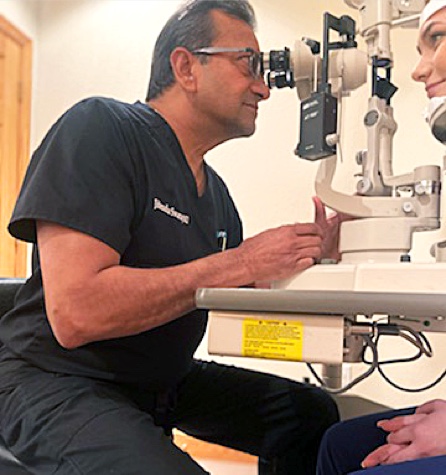
At Albemarle Eye Center, our research department continues to take part in numerous FDA-monitored clinical trials.
Our advanced eye care center is committed to improving ocular health, which is why we’re always on the search for new treatment options, medications, and medical devices that can benefit our patients


We are a proud partner of US Eye, a leading group of patient-centric, vertically integrated multi-specialty physician practices providing patients with care in ophthalmology, optometry, dermatology and cosmetic facial surgery.