
Building Good Habits
Preserving your vision is an ongoing process. Our dedicated team of eye care specialists at Albemarle Eye Center believes in building good habits for your eye health and wants to help you enjoy optimal, long-term vision.
Remaining consistent with eye exams is an essential part of vision care and can do wonders for the early detection of any vision issues.
Book your appointment with us today and begin your vision care journey with consistency.
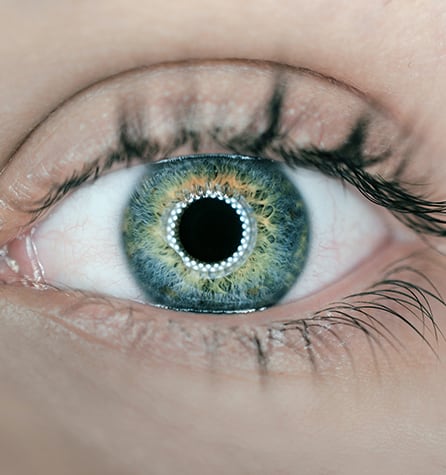

Importance of Eye Exams
You may be wondering why regular eye exams are essential. Regular eye exams can assist in preventing or correcting almost all eye diseases and disorders.
A routine check-up and getting your prescription for eyeglasses or contact lenses can usually be enough to correct most people’s vision, but as you age, your vision also ages, and you may encounter vision issues that require further treatment. A regular eye exam schedule can help your eye doctor spot these changes in your vision.
Adult & Senior Eye Exams
It can be easy to put off eye exams—although you shouldn’t! Even if you don’t have immediate vision concerns, staying up to date with your senior eye care doctor is always a good idea, as some eye conditions, such as glaucoma, cataracts, and macular degeneration, can develop without symptoms.
Adult Eye Exams
An adult eye exam involves a series of tests to evaluate your vision and check for eye diseases. Your eye doctor will assess your overall eye health with questions about your habits and lifestyle.
It is recommended to have a comprehensive eye exam at least once every 2 years to maintain healthy vision in adults ages 18 to 60. At-risk adults should have more frequent exams—risk factors include:
- A family history of eye disease
- Diabetes or high blood pressure
- Previous eye injuries or surgeries
Following your exam, your doctor will explain the next steps and advise on any follow-up appointments.
Senior Eye Exams
Your eyes age along with you, so consistency with eye exams as you age is essential. If you’re over 61, it is recommended to get a comprehensive eye exam at least once a year. As you age, your vision can change dramatically, and consistent eye exams can help your eye doctor catch any issues as they arise early on.
During a senior eye exam, your eye doctor will check for cataracts, glaucoma, and age-related macular degeneration and ensure you have the best treatment possible.

Preserve Your Vision
Albemarle Eye Center’s experienced team of eye care specialists provide excellent vision health services and recognize the importance of consistent eye exams. Our team prides itself on using our expertise in vision care to protect, correct, and restore your vision.
Contact us to learn more about the importance of adult eye exams, and book your comprehensive eye test for seniors today.
Frequently Asked Questions
How often should adults get an eye exam?
Adults between the ages of 18 and 60 should have a comprehensive eye exam at least once every two years if they have no underlying risk factors. Those with a family history of eye disease, diabetes, high blood pressure, or previous eye injuries or surgeries should be examined more frequently, as recommended by their eye doctor. Regular exams allow for early detection of vision changes and eye conditions before symptoms become noticeable.
What is included in a comprehensive adult eye exam?
A comprehensive adult eye exam typically includes a vision acuity test, a refraction assessment to determine your glasses or contact lens prescription, and an evaluation of eye muscle function. Your doctor will also screen for common eye diseases, check your eye pressure to rule out glaucoma, and examine the retina and optic nerve. In addition, you will be asked about your overall health history and lifestyle habits, since conditions like diabetes and high blood pressure can affect eye health.
How often should seniors schedule an eye test?
Adults over the age of 60 should schedule a comprehensive eye exam at least once a year. Vision can change more quickly with age, and annual exams allow your doctor to catch developing issues early, when treatment tends to be most effective. Seniors with existing eye conditions or additional risk factors may need even more frequent monitoring.
What are the common eye conditions detected in senior eye care?
Senior eye exams commonly screen for cataracts, glaucoma, and age-related macular degeneration, all of which can develop gradually and without obvious early symptoms. Dry eye disease and diabetic retinopathy are also frequently identified during senior eye care visits. Early detection through routine exams allows these conditions to be managed or treated before they significantly impact vision.
What should I expect during an eye exam for seniors?
A senior eye exam typically includes the same core vision and eye health tests as an adult exam, with additional focus on age-related conditions. Your eye doctor will check for cataracts, measure eye pressure to screen for glaucoma, and examine the retina for signs of macular degeneration. The exam may also include a dilated eye exam, allowing your doctor a clearer view of the back of the eye. Your doctor will discuss any findings with you and recommend a personalized plan for ongoing eye care.
Our Locations
Our Services






Albemarle Clinical Trials
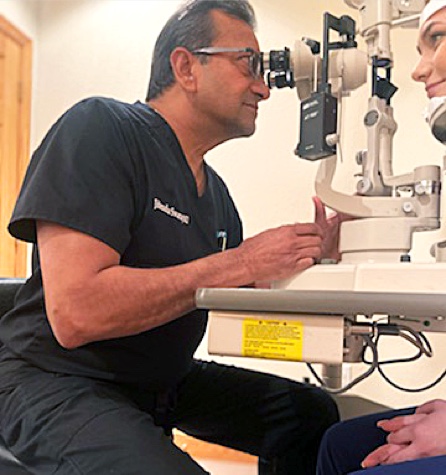
At Albemarle Eye Center, our research department continues to take part in numerous FDA-monitored clinical trials.
Our advanced eye care center is committed to improving ocular health, which is why we’re always on the search for new treatment options, medications, and medical devices that can benefit our patients


We are a proud partner of US Eye, a leading group of patient-centric, vertically integrated multi-specialty physician practices providing patients with care in ophthalmology, optometry, dermatology and cosmetic facial surgery.