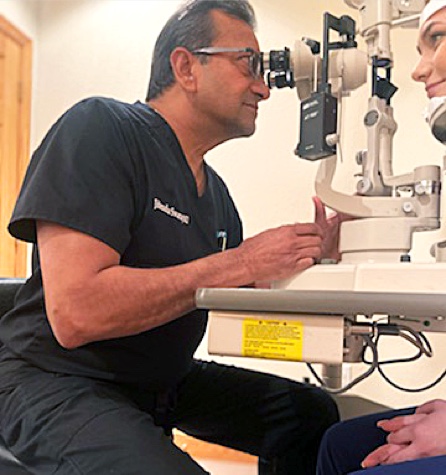


Glaucoma eye surgery lowers intraocular pressure (IOP), but the choices you make afterward determine how well that pressure stays under control. Partnering closely with glaucoma specialists helps you set realistic milestones and catch minor issues early. Patients who blend sensible habits with modern operations often rely on fewer drops, maintain clearer vision longer, and avoid flare-ups. Below are the practical steps Albemarle Eye Center’s team recommends most, plus a few often-overlooked details that can make recovery smoother.
Table of Contents
Why Habits Still Matter
Surgery fixes the plumbing; lifestyle manages the environment around the optic nerve. Better nutrition cuts inflammation, steady exercise boosts blood flow, and stress control limits hormone-related pressure spikes. Routine eye-pressure checks round out the plan, confirming that laser treatment for glaucoma or open-angle glaucoma surgery continues to work as designed. Combined, these habits extend the life of your optic nerve and delay the need for additional types of glaucoma eye surgery in the future.
Nutrition That Supports Healing
A straightforward, nutrient-dense plate beats any complicated diet:
- Leafy greens and brightly colored fruits supply antioxidants such as lutein, zeaxanthin, and vitamin C that shield retinal cells. Aim for half a plate of produce at lunch and dinner.
- Cold-water fish, flaxseed, and walnuts provide omega-3 fats that keep small ocular vessels flexible; two servings of fish weekly hit the recommended target.
- Whole grains and legumes steady blood-sugar swings that can nudge IOP upward. Check labels for at least three grams of fiber per serving.
Round out meals with low-fat dairy or fortified vitamin D and calcium alternatives, both linked to healthier optic-nerve metabolism. Keep salt modest, cap coffee at a single cup, flavor foods with herbs instead of sodium, and drink six to eight glasses of water daily to keep ocular tissues comfortable.

Smart, Low-Impact Exercise
Movement reduces baseline IOP and speeds recovery, but pacing matters.
- First four weeks: brisk walks, stationary cycling on low resistance, gentle stretching.
- After clearance: swimming (with well-sealed goggles), beginner Pilates, or tai chi, all of which boost circulation without strain.
If you enjoy yoga, choose seated or standing poses that avoid head-below-heart positions.
Always ask your surgeon before resuming weight training; early overexertion can compromise results from glaucoma laser surgery. Think of exercise as “pressure maintenance” rather than calorie burning during the first few months.
Stress Management in Minutes, Not Hours
High stress translates to higher pressure. Small daily practices work:
- Box breathing: inhale four counts, hold four, exhale four, hold four — repeat three times.
- Five-minute outdoor breaks between meetings to reset posture and calm the nervous system.
- Mindfulness apps or brief evening journaling sessions help offload worry and keep hormone levels steady.
Adding a short gratitude list at night can lower cortisol, a hormone tied to IOP spikes.
Sleep With Your Head Slightly Raised
A wedge pillow or adjustable bed that lifts your torso about six inches reduces nighttime IOP. Sleeping on your back or side — rather than face-down — also protects healing tissue. Target seven to nine hours of quality rest to accelerate repair, and keep a humidifier nearby to prevent overnight dryness.
Troubleshooting Common Hurdles
Most post-surgery annoyances respond to simple fixes. If dryness strikes, use preservative-free tears, add a cool-mist humidifier, and set ceiling fans on low speed. Light sensitivity after a laser operation for glaucoma improves with wraparound sunglasses or a wide-brim hat outdoors.
For screen fatigue, enlarge fonts, follow the 20-20-20 rule, and position monitors so the top sits just below eye level. Complex drop schedules improve when each medication is tied to daily routines like brushing teeth and backed up with phone alarms. When in doubt, call your care team rather than toughing it out; early tweaks prevent bigger problems later.
Day-to-Day Checklist
- Add dark greens or bright fruit to at least one meal.
- Walk ten minutes after dinner.
- Do two rounds of box breathing before opening email.
- Keep a travel-size bottle of artificial tears handy.
- Refill your water bottle twice before lunch.
- Review your drop schedule each Sunday to avoid missed doses.
The Takeaway
Glaucoma eye surgery begins the journey; daily choices keep it on track. Eat for steady circulation, exercise gently but consistently, manage stress, sleep smart, and never skip follow-ups. These straightforward habits — reinforced at every check-in with Albemarle Eye Center — help each procedure deliver sight-saving results for years to come.
Need a personalized plan? Schedule a post-surgery visit with Albemarle Eye Center to align your routine with expert medical care.