
Reviewed By: Dr. Jitendra Swarup
Table of Contents
Your preoperative consultation is the perfect opportunity for an open and informative discussion with your surgeon. As any patient would, you want to be well-prepared and confident about your upcoming laser cataract eye surgery. Your vision is precious, and by educating yourself and asking the right questions, you can alleviate any concerns or uncertainties you may have.
If you’re lost on where to begin, read these most-asked and most important questions to ask your surgeon before laser cataract eye surgery.
What Is Laser Cataract Surgery?
Laser cataract surgery is a modern advancement of traditional cataract removal that uses femtosecond laser technology to perform several critical steps of the procedure with a high degree of precision. The laser is used to create corneal incisions, fragment the cloudy lens, and assist with astigmatism correction, all before the surgeon removes the cataract and places the intraocular lens.
For patients researching questions to ask before cataract surgery, understanding how laser-assisted techniques differ from conventional methods is essential. This technology is designed to improve accuracy and consistency, particularly in patients who desire optimized visual outcomes. While the surgeon’s expertise remains the most important factor, laser assistance can enhance surgical planning and execution.
Patients often include this topic among their cataract surgery questions because it directly affects surgical precision, safety, and potential visual clarity after surgery.
Why Asking Questions Matters
An informed patient is better equipped to make confident decisions and set realistic expectations. Cataract surgery is elective for many individuals, meaning timing, technique, and lens selection should align with lifestyle goals and long-term vision needs.
Asking the right laser eye surgery questions to ask allows patients to understand the surgeon’s recommendations, evaluate risk factors, and clarify the steps involved before, during, and after surgery. These conversations also help establish trust and ensure alignment between patient expectations and achievable outcomes.
Patients preparing a list of questions to ask before laser eye surgery are more likely to feel reassured, engaged, and satisfied with their overall surgical experience.
Pre-Surgery Consult: What to Ask Your Surgeon
The preoperative consultation is the most important educational step in the cataract surgery process. During this visit, patients should feel comfortable discussing medical history, visual concerns, and surgical options in detail.
This is also the time to raise detailed questions to ask before cataract surgery, including how the procedure will be customized to your eye health, whether laser assistance is recommended, and how potential complications are managed. Patients are encouraged to take notes and ask follow-up questions to ensure full understanding.
How many cataract surgeries have you performed?
For example, those doing over 1,000 procedures a year have just a 0.48% complication rate, compared to 2.15% for those with less experience. While the exact number of surgeries isn’t as important, the range is.
If you’re concerned about your surgeon’s experience, it’s 100% okay to ask. Most surgeons want you to feel comfortable and confident in their skills. Surgeons who perform more surgeries tend to have lower complication rates.
Newer surgeons may have done 200-300 surgeries, which is enough for routine laser cataract eye surgery. However, the skill gap between someone with 350 surgeries and one with 5,000 is much broader than between those with 500 or 1,000. Rest assured, more experienced surgeons generally have the skills to handle complications and achieve the best results.
Could you describe the laser cataract eye surgery procedure?
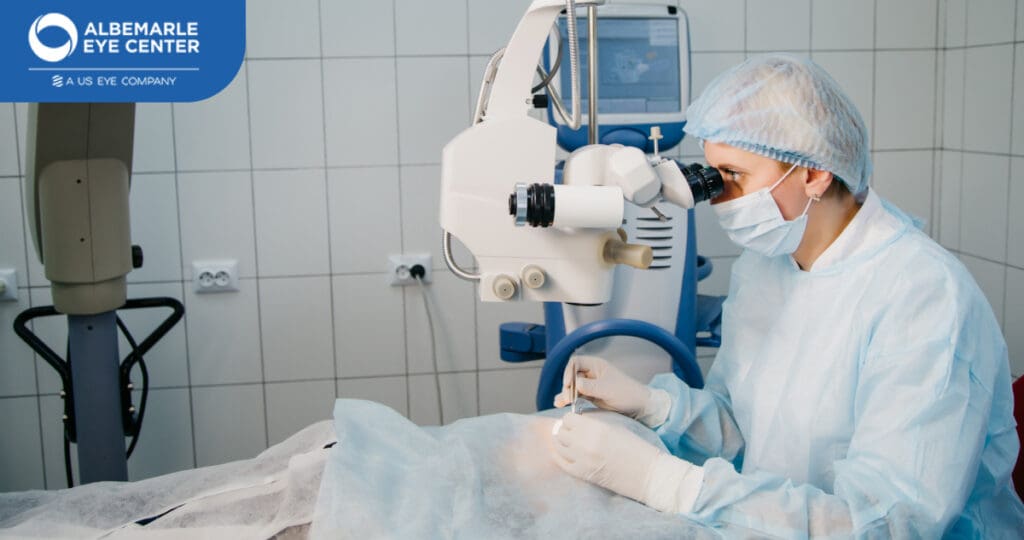
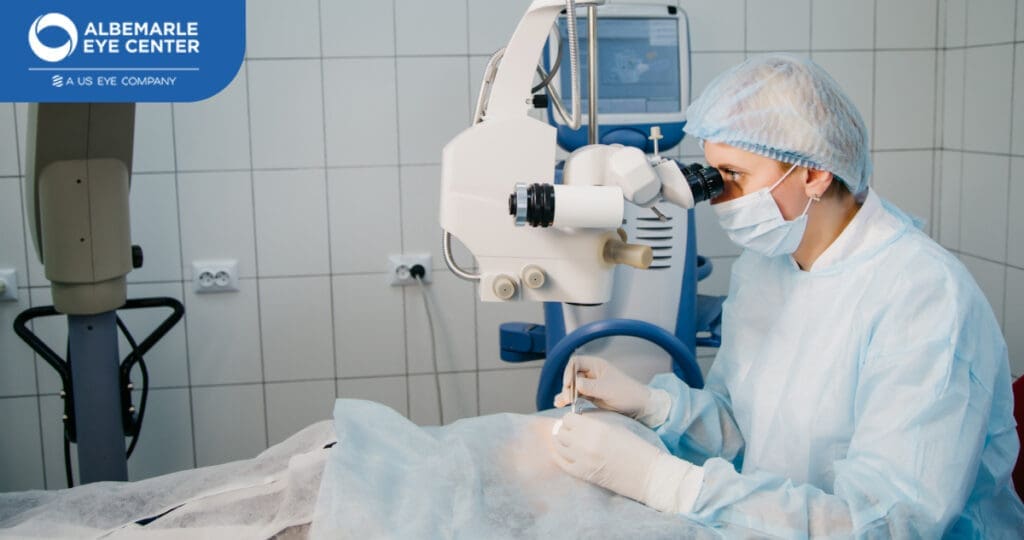
Laser cataract eye surgery, or femtosecond laser-assisted cataract surgery (FLACS), is an advanced, precise technique that enhances the traditional cataract procedure. Instead of using a blade to make incisions, a femtosecond laser creates ultra-precise cuts in the cornea and softens the cataract for easier removal. This level of precision allows for better control, improved outcomes, and potentially faster recovery times. The laser also lets surgeons treat astigmatism during the procedure, improving post-surgery vision quality.
During the surgery, the femtosecond laser makes tiny, accurate incisions and breaks up the cloudy lens. The surgeon then removes the cataract and implants an artificial lens tailored to the patient’s vision needs. The entire process typically takes 5 to 10 minutes per eye, with patients spending about two to three hours at the surgical center overall.
After your laser treatment for cataract removal, you’ll need to follow a simple post-operative care routine, including using prescribed eye drops and attending follow-up visits to ensure proper healing.
What are the benefits and risks of cataract surgery?
Cataract surgery offers many benefits, with the main one being restored vision. After the cloudy lens is replaced with a clear artificial lens, most people experience significant improvements in their eyesight, often seeing more clearly and with better color contrast. This can make everyday tasks like reading, driving, and watching TV much easier. The procedure is quick and typically safe, and most people recover fast with minimal discomfort.
Like any surgery, there are some risks. While rare, complications can include infection, bleeding, or issues with the new lens. In some cases, the retina or other parts of the eye could be affected. There’s also a chance the new lens may need adjustment. However, these risks are generally low, especially with an experienced surgeon. Overall, the benefits of improved vision usually far outweigh the potential risks for most people.
Age and Cataract Surgery – When is the Right Time?
What type of lens do you recommend, and how many surgeries have you done with that lens?
When choosing a lens for laser cataract removal, it really depends on your specific needs and lifestyle. Some people prefer a standard mono-focal lens, which improves distance vision but may still need reading glasses. Others might opt for multifocal or accommodating lenses that can help with both near and far vision, reducing the need for glasses altogether.
Your doctor will recommend a lens based on what you value most—whether it’s sharp distance vision, the ability to read without glasses, or something in between. As for experience, your doctor should have performed hundreds of surgeries using these different lenses, with proven results for many different patient scenarios.
Can perfect vision be guaranteed after surgery?
While laser cataract removal is incredibly effective, and most people see a great improvement in their vision, perfect vision cannot be guaranteed. The surgery is very successful in restoring clear eyesight, but factors like your eye health, age, and any other underlying conditions can affect the final result.
In many cases, people achieve 20/20 vision or close to it, but some may still need glasses for certain tasks, like reading. Having realistic expectations is important—while the goal is to improve vision as much as possible, the outcome can vary from person to person. That said, most people are thrilled with the results and find enhancing their quality of life worth it.
Who will conduct post-operative follow-up exams?
Post-operative exams are essential to ensure proper healing and monitor your progress. These exams are typically conducted by your surgeon or their assistant, who will check your vision and healing progress and address any concerns or questions you may have.
Need more reasons to get laser cataract surgery? Read Albemarle Eye Center’s top ten.
Lens Options & Vision Outcomes
Selecting an intraocular lens is a highly individualized decision that can significantly influence post-surgical vision. Options range from monofocal lenses to advanced multifocal or accommodating lenses, each offering different benefits and trade-offs.
Patients should ask detailed questions to ask about lens options before surgery, including how each lens type may affect reading vision, distance clarity, night driving, and reliance on glasses. The surgeon’s experience with specific lenses and their outcomes across different patient profiles is also an important consideration.
These discussions are among the most important laser eye surgery questions to ask, as lens choice plays a central role in achieving visual goals and long-term satisfaction.
Recovery Expectations
Recovery after laser cataract surgery is typically smooth, but outcomes vary based on individual eye health and adherence to post-operative instructions. Most patients notice visual improvement within days, though complete healing may take several weeks.
Patients often include recovery-related concerns when preparing questions to ask before laser eye surgery, such as how long to use eye drops, activity restrictions, and when vision is expected to stabilize. Understanding these timelines helps patients plan daily activities and follow-up appointments appropriately.
Discussing recovery expectations in advance also reinforces the importance of attending scheduled post-operative visits and reporting any unusual symptoms promptly.
Common Misconceptions & Myths
There are several misconceptions surrounding laser cataract surgery, including the belief that the laser performs the entire procedure or that perfect vision is guaranteed. In reality, the laser assists with precision steps, while the surgeon performs the cataract removal and lens implantation.
Another common myth is that cataract surgery is painful or requires lengthy downtime. Addressing these misunderstandings helps patients approach surgery with realistic expectations and confidence.
Patients often raise these concerns as part of their laser eye surgery questions to ask, especially when comparing surgical options or hearing anecdotal experiences from others.
Book Your Cataract Consultation with Albemarle
Remember, your surgeon is there to provide guidance and address any concerns you may have. Asking these questions will help you make informed decisions and feel more confident about your laser cataract eye surgery.
Got more questions? Albemarle Eye Center, an advanced laser and cataract center in five locations in North Carolina, has decades worth of experience in cataract surgery and has performed hundreds of surgeries with the safest and latest femtosecond laser technology. For example, Dr. Jitendra Swarup has been performing cataract surgeries since 1996 and has been involved in numerous clinical trials and research studies. Dr. Sean W. Smolenyak has been managing eye diseases and cataract surgeries for over 20 years. Dr. Mitrev has a strong background in teaching Ophthalmology residents and medical students about glaucoma and cataract surgery.
Book your cataract consultation with us today.
Albemarle Clinical Trials
At Albemarle Eye Center, our research department continues to take part in numerous FDA-monitored clinical trials.
Our advanced eye care center is committed to improving ocular health, which is why we’re always on the search for new treatment options, medications, and medical devices that can benefit our patients
**The information offered in this blog is not intended to substitute expert medical advice. Always seek a qualified healthcare professional for any questions or concerns you may have regarding your specific medical condition.**
Frequently Asked Questions
What should I ask before laser cataract eye surgery?
Ask about your surgeon’s experience, the details of the laser procedure, possible risks and benefits, lens options, expected outcomes, recovery process, and who will handle your follow-up care.
How is laser cataract surgery different from traditional cataract surgery?
Laser cataract surgery uses a femtosecond laser to make precise incisions and soften the cataract, rather than using a blade. This can improve accuracy, safety, and recovery time compared to traditional methods.
Is laser cataract surgery painful?
The procedure is typically painless. Numbing drops are used, and most patients only feel mild pressure or discomfort, if anything, during surgery.
What are the risks and benefits of laser cataract surgery?
Benefits include clearer vision, improved color contrast, and a quick recovery. Risks are rare but can include infection, bleeding, or issues with the new lens. Most patients experience significant vision improvement.
What questions to ask about lens choices and outcomes?
Ask which type of lens your surgeon recommends for your lifestyle, their experience with different lenses, and what visual results you can expect. Clarify whether you may still need glasses after surgery.
How long is recovery after laser cataract surgery?
Most people notice better vision within a few hours to days. Full recovery typically takes a few weeks, with minimal discomfort and simple post-op care like eye drops and follow-up visits.
Does insurance cover laser cataract surgery?
Coverage varies. Standard cataract surgery is often covered by insurance, but laser-assisted techniques and premium lenses may not be. Check with your provider and your surgeon’s office for details.
When should cataract surgery be performed for best outcomes?
Surgery is usually recommended when cataracts begin to interfere with daily activities and quality of life. Your eye doctor can help determine the best timing based on your vision and health needs.