
Eye Drops for Laser Cataract Surgery
After any eye surgery, patients can expect various instructions to help promote healing. Of course, rest is the most common recommendation after surgery. But eye drops after cataract surgery are also essential in post-operative care, whether you’re a candidate for traditional or LenSx laser cataract surgery.
Table of Contents
Laser cataract surgery patients receive cataract eye drops immediately and consistently after their procedure. But which eye drops will your eye care team prescribe? What are the best medications for your eye care needs, and what are considered the best eye drops to use after cataract surgery based on your individual healing needs?
The Albemarle experts in Edenton, Elizabeth City, Kinston, Kitty Hawk, Washington, and Chesapeake answer these questions below.
What Is Laser Cataract Surgery?
A cataract is a cloudy or opaque area that develops on the lens. The lens or crystalline lens is a transparent, biconvex structure (rounded outward on both sides) located behind the iris. The lens changes shape to focus light entering the eye.
When the lens is clouded, the lens can’t accurately control light. So, light scatters within the eye instead of focusing on the retina, causing vision problems.
Changes to the lens’s proteins and fibers occur naturally due to aging, typically affecting adults over 40. However, other health and environmental factors can also cause changes to the lens.
While there are methods for temporarily improving vision, such as prescription lenses, surgery is the only way to remove a cataract. The eye’s natural lens is removed with a Lensx® femtosecond laser and replaced with an intraocular lens (IOL) implant.
Mono-focal lenses are a common choice. However, there are also premium lenses that provide additional vision benefits.
Generally, laser cataract surgery is effective and is considered one of the safest types of surgeries performed in the US.
Does Cataract Surgery Cause Dry Eyes?
Sometimes, yes.
Many patients experience temporary changes to their tear film after surgery, leading to common questions such as “Does cataract surgery make dry eyes worse?”
Cataract surgery does not directly cause chronic dry eye disease, but it can temporarily disrupt normal corneal nerve function, which plays a major role in healthy tear production. This disruption may cause dry eye symptoms after cataract surgery, including burning, fluctuating vision, or a gritty sensation.
These symptoms generally improve as the corneal surface stabilizes, although patients with pre-existing dryness may notice more pronounced effects.
Common Dry Eye Symptoms After Cataract Surgery
The symptoms of dry eye after cataract surgery can include:
- Intermittent blurry vision
- Sensitivity to light
- Burning sensations
- A feeling of pressure or heaviness
- Excess tearing caused by tear film instability
Identifying these early allows your doctor to adjust your treatment plan, increase lubrication, or modify your anti-inflammatory drop schedule as needed.
Post-Operative Eye Drops
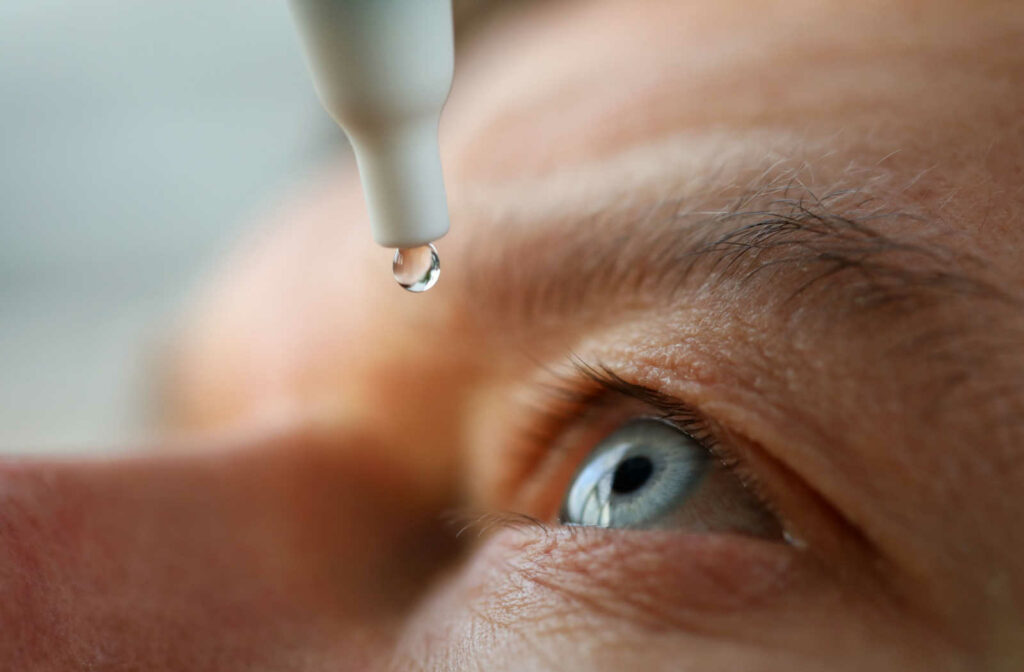
Regardless of the type of cataract surgery, eye drops after cataract surgery are essential to post-operative care. As your eyes are more vulnerable to complications, your eye doctor will prescribe the following:
- Antibiotic eye drops to prevent infection
- Anti-inflammatory eye drops to control inflammation
Typically, patients use eye drops for at least one month after laser cataract surgery. During the first week, the patient must apply eye drops several times daily. Using eye drops as prescribed is crucial to protect your eye health.
An initial follow-up is scheduled one day after the procedure, but additional follow-up appointments will occur. Your eye doctor will provide individualized instructions for continuing eye drops at that time. Depending on your recovery, your eye doctor may recommend continuing eye drops after cataract surgery to reduce inflammation or decrease dry eye symptoms.
Three types of post-cataract surgery eye drops support eye health after laser cataract surgery:
- Antibiotic eye drops
- Anti-inflammatory eye drops
- Lubricating eye drops
Antibiotic Eye Drops
Although bacterial infection after laser cataract surgery is rare, it can cause severe harm. Antibiotic eye drops help eliminate harmful bacteria to prevent and reduce the risks of complications.
The most commonly prescribed antibacterial cataract eye drops are 4th generation fluoroquinolones, namely gatifloxacin and moxifloxacin. Generally, these two are considered the most effective and protect from a wide range of potential pathogens.
Anti-Inflammatory Eye Drops
Inflammation is a defensive immune response and is necessary for healing. However, too much inflammation can negatively affect tissue and interfere with function. Anti-inflammatory eye drops reduce inflammation to help control the healing process. Consult with the doctors to get recommendations for the best eye drops for aging eyes.
NSAIDs (non-steroidal anti-inflammatory drugs) in eye drops can help reduce swelling. They are also considered pain-relieving eye drops and can help make patients more comfortable during recovery. Most people are likely familiar with common over-the-counter NSAIDs such as aspirin, ibuprofen, and naproxen.
Although NSAIDs generally have fewer side effects than corticosteroids, there are risks associated with long-term use and potential drug interactions. Discussing your medications with your eye doctor is crucial for managing use appropriately. When prescribed or recommended by your eye doctor, NSAIDs can prevent complications.
Lubricating Eye Drops
Artificial tears or lubricating eye drops help relieve dry eye symptoms. Generally, dry eye after laser cataract surgery is temporary, with symptoms decreasing after one month. Most over-the-counter (OTC) artificial tears are effective for short-term dry eye treatment.
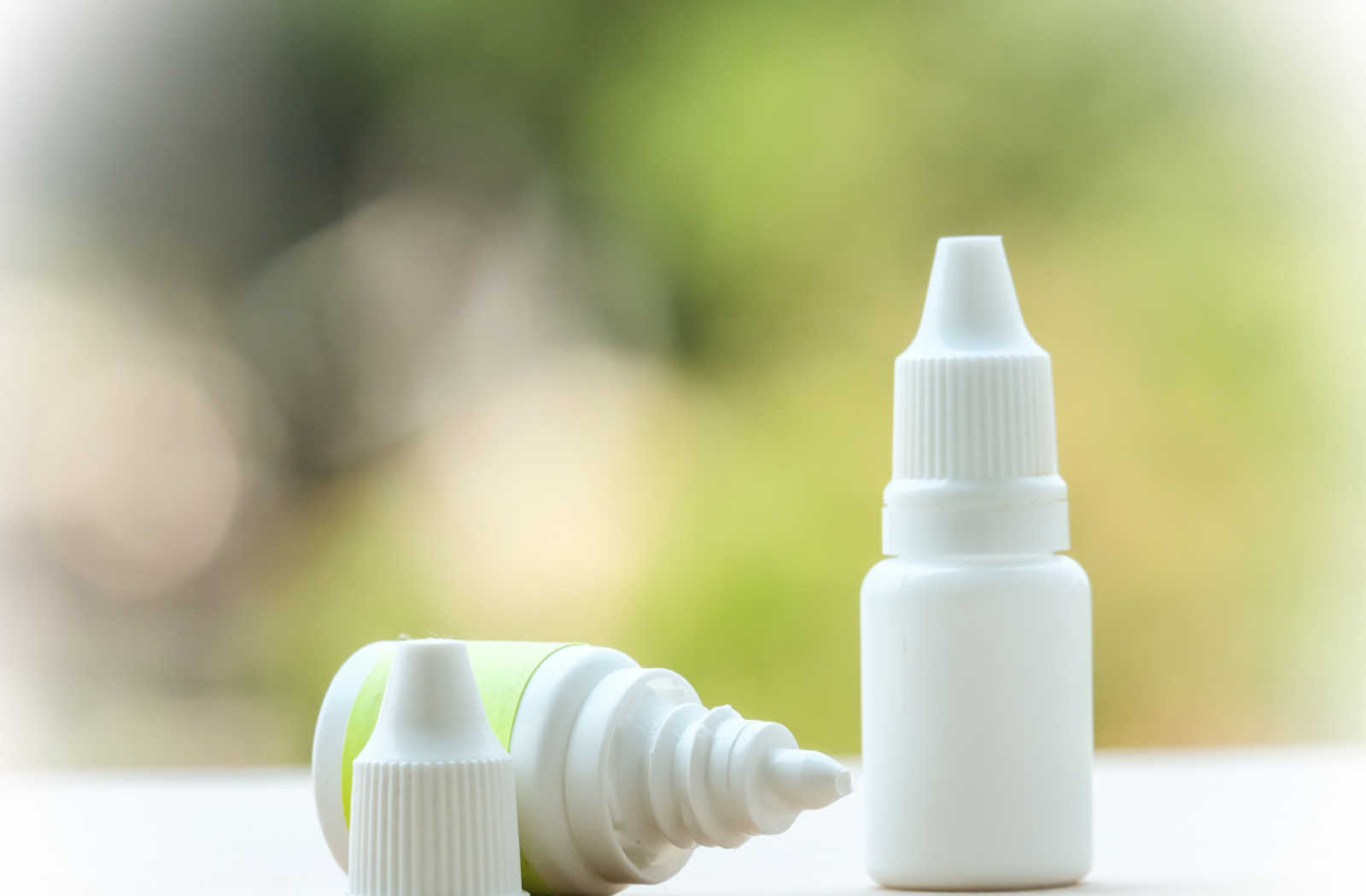
Many OTC eye drops use multi-dose packaging, which uses preservatives to prevent contamination. However, the preservatives combined with long-term use can cause adverse effects, including an allergic response or toxic reaction. Notably, your eye drops for dry eye can cause or aggravate dry eye.
Preservative-free eye drops are a safer, more effective long-term option for severe or chronic dry eye. Preservative-free eye drops use single-dose packaging to prevent cross-contamination. Talk to your eye doctor if you’re using artificial tears consistently, as they can recommend options, including preservative-free.
Laser cataract surgery patients may also benefit from prescription eye drops for dry eye. Examples of prescription eye drops include:
- Cyclosporine eye drops: Cyclosporine is prescribed to increase tear production by reducing swelling (inflammation). The eye drops are applied twice daily, 12 hours apart. The eye drops are available in a multi-dose container or single-use.
- Lifitegrast eye drops: Lifitegrast minimizes inflammation to improve symptoms of dry eye. The eye drops are only available in single-use containers. Lifitegrast eye drops are applied twice daily, 12 hours apart.
Choosing Appropriate Lubricating Drops After Surgery
Patients frequently ask whether they can use dry eye drops after cataract surgery, and in most cases, they can.
Lubricating drops help stabilize the tear film and improve comfort during healing. When selecting the best artificial tears after cataract surgery, eye care professionals generally recommend preservative-free formulations because they reduce the risk of surface irritation.
Gel-based or thicker lubricants may be recommended for morning dryness, while standard artificial tears can be used throughout the day.
OTC eye drops after cataract surgery are often acceptable, provided they are labeled as lubricating or artificial tears. Redness-relief formulations should be avoided unless specifically recommended by your doctor.
Managing Post-Surgical Discomfort and Burning Sensations
Some patients experience irritation or heat sensations during recovery. The treatment for burning eyes after cataract surgery often includes more frequent use of preservative-free artificial tears, warm compresses in select cases, or adjustments to anti-inflammatory medications.
Managing surface inflammation and supporting adequate tear production are essential for restoring comfort.
Will Insurance Cover Your Post-Surgery Eye Drops?
After laser cataract surgery, eye drops play a key role in healing, reducing inflammation, and preventing infection. But will your insurance cover them? The answer depends on your plan.
- Medicare Part B covers cataract surgery, but usually doesn’t pay for prescription eye drops. If you have Medicare Part D or a Medicare Advantage plan, some medications may be covered, but costs vary.
- Private insurance plans differ—some cover generic drops fully, while brand-name options may come with a higher copay.
- Saving on costs: Ask your doctor about generic alternatives, check for pharmacy discounts, or explore assistance programs if coverage is limited.
It’s always a good idea to check with your insurance provider before surgery, so you’re not caught off guard when picking up your prescriptions.
Follow Your Eye Doctor’s Advice
Countless over-the-counter and prescription eye drops are available; many are effective for most patients, but only your doctor can determine whether the options you’re considering fall into the category of the best eye drops to use after cataract surgery for your specific situation.
At Albemarle Eye Center, we get to know you and your eye needs in any of our Edenton, Elizabeth City, Kinston, Kitty Hawk, Washington, and Chesapeake locations. Personalized recommendations for eye drops help you achieve the best possible results. Contact us if you have questions about using eye drops after laser cataract surgery.
**The information offered in this blog is not intended to substitute expert medical advice. Always seek a qualified healthcare professional for any questions or concerns you may have regarding your specific medical condition.**
Frequently Asked Questions
Can you use dry eye drops after cataract surgery?
Yes, you can generally use lubricating or artificial tear drops after cataract surgery to help relieve temporary dryness and irritation. Most eye care professionals recommend preservative-free artificial tears, as these are less likely to cause irritation or allergic reactions, especially when used frequently. However, you should always confirm with your surgeon or eye doctor before starting any new eye drops during your recovery.
What are the best eye drops to use after LASIK?
After LASIK, your doctor will usually recommend preservative-free artificial tears to keep your eyes moist and comfortable as they heal. These drops help reduce dryness, burning, and the sensation of grittiness that is common after LASIK. In some cases, your doctor may also prescribe medicated drops, such as antibiotics or steroids, to prevent infection and control inflammation. Always follow your surgeon’s instructions for the best results.
How long do I need to use eye drops after cataract surgery?
Most patients use prescribed antibiotic and anti-inflammatory eye drops for at least one month after cataract surgery. Your doctor may adjust the duration based on your healing progress and specific needs. Lubricating eye drops can be used as needed for comfort, especially if you experience dryness. Always continue using your drops as directed until your doctor advises otherwise.
What should I do if my eye drops sting or burn after surgery?
A mild stinging or burning sensation is common when using post-surgery eye drops, especially if your eyes are dry or sensitive. If the discomfort is bothersome, try using preservative-free artificial tears between doses of your medicated drops (but wait at least 10–15 minutes between different drops). If the stinging is severe or you notice redness, swelling, or vision changes, contact your doctor promptly.
Can I use over-the-counter redness-relief drops after cataract surgery?
It’s best to avoid over-the-counter redness-relief drops (such as those that “get the red out”) unless specifically recommended by your doctor. These drops can sometimes cause rebound redness or irritation, especially during the healing process. Stick to lubricating or artificial tear drops labeled for dry eye relief, and consult your eye care professional before using any new products.