
When your vision seems clear and your eyes feel fine, scheduling an eye exam can easily fall to the bottom of your to-do list. But healthy-feeling eyes do not always mean there are no changes happening beneath the surface.
Table of Contents
That is an important message behind World Sight Day. Observed on October 8 in 2026, World Sight Day encourages people around the world to prioritize their eye health and recognize the importance of accessible, routine eye care.
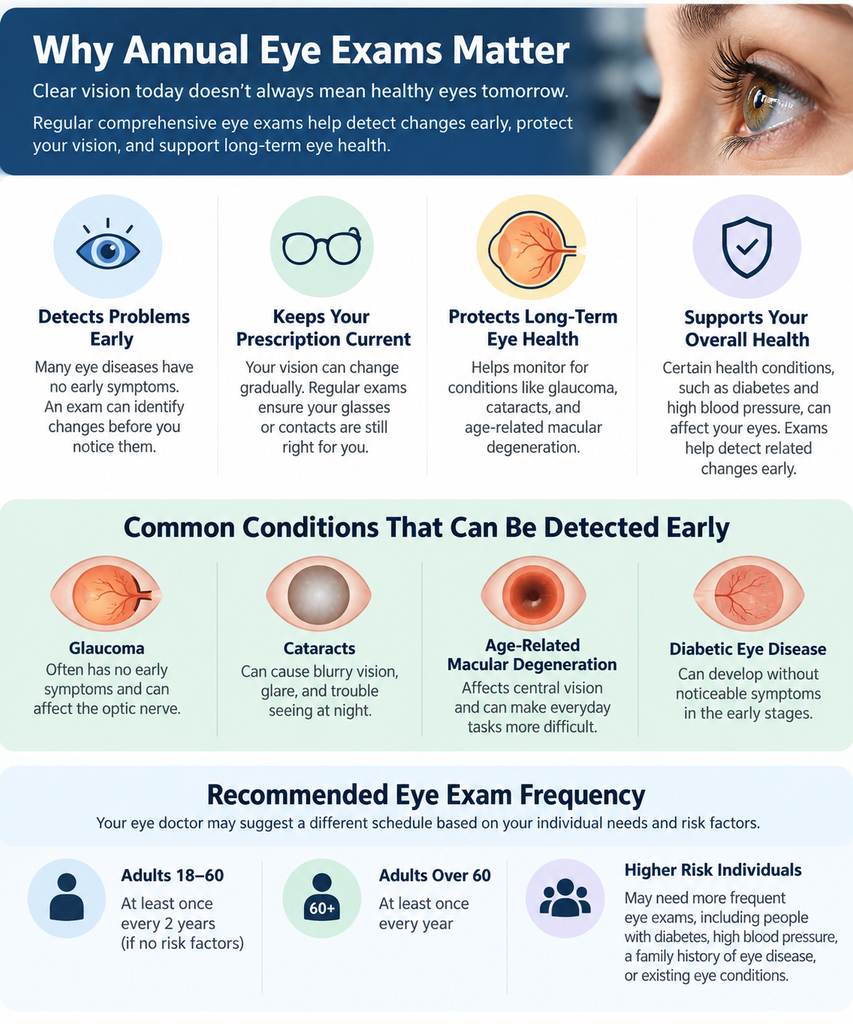
Regular comprehensive eye exams can identify changes in your vision, assess the health of structures inside the eye, and help detect certain eye diseases before you notice symptoms. The importance of annual eye exams becomes especially relevant as you get older or if you have risk factors such as diabetes, high blood pressure, or a family history of eye disease.
Here is what World Sight Day can remind all of us about making routine eye care part of our overall health routine.
Why World Sight Day Is a Reminder to Prioritize Your Eyes
World Sight Day is coordinated by the International Agency for the Prevention of Blindness (IAPB). The 2026 campaign continues the global Love Your Eyes movement, encouraging people to prioritize their own eye health.
That message matters because vision changes are not always obvious.
You may still read comfortably, drive without difficulty, and go about your usual activities while an eye condition is developing. According to the National Eye Institute (NEI), many eye diseases have no symptoms or warning signs in their early stages. A comprehensive dilated eye exam allows an eye care professional to look for signs of disease that may not yet be affecting how well you think you see.
World Sight Day therefore offers a simple reminder: caring for your vision should not begin only when something feels wrong.
Seeing Clearly Does Not Always Mean Your Eyes Are Healthy
One of the most important distinctions in preventive eye care is the difference between visual acuity and eye health.
You can have relatively clear central vision while an eye disease develops without obvious symptoms. Glaucoma is a particularly important example. The NEI reports that glaucoma often has no early symptoms and that as many as half of people who have the condition do not know they have it.
That is one reason routine comprehensive examinations matter even when you are satisfied with your current glasses, contacts, or unaided vision.
What Are the Benefits of Regular Eye Exams?
The annual eye exam benefits that patients often think about first are checking their prescription and making sure they can see clearly. Those are important, but a comprehensive examination can provide much more information.
- Eye Exams Can Detect Changes Before You Notice Them
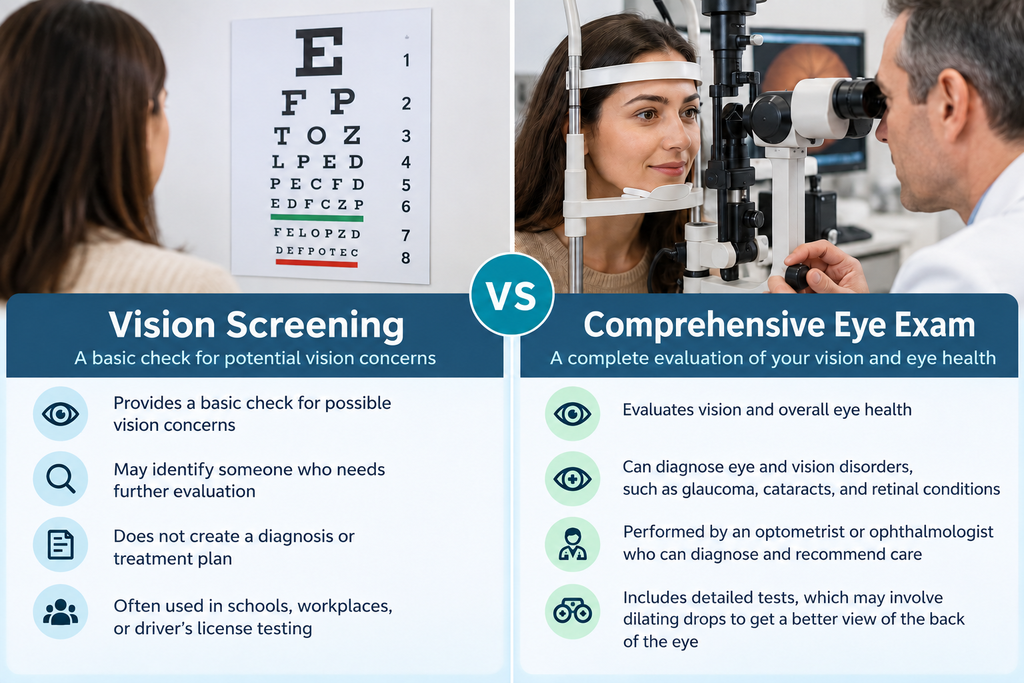
A comprehensive eye exam allows an optometrist or ophthalmologist to evaluate both vision and eye health.
Depending on your needs and risk factors, an examination may involve tests of visual acuity, peripheral vision, eye muscle function, pupil response, eye pressure, and the structures inside the eye. Dilation can give your doctor a better view of the retina and optic nerve.
These evaluations may help identify signs of conditions such as:
- Glaucoma
- Cataracts
- Age-related macular degeneration
- Diabetic eye disease
- Other retinal or optic nerve abnormalities
Early identification can allow your eye doctor to determine whether monitoring, additional testing, or treatment is appropriate.
- Your Prescription and Visual Needs Can Change
Vision can change gradually enough that you adapt without realizing it.
A routine exam can determine whether your glasses or contact lens prescription remains appropriate. It also gives you an opportunity to mention changes such as increasing glare, trouble driving at night, difficulty focusing, headaches associated with visual tasks, or blurry vision.
Not every change indicates an eye disease, but an examination can help determine what may be contributing to your symptoms.
- Eye Exams Become Increasingly Important With Certain Health Risks
Your eyes do not exist separately from the rest of your health.
For example, diabetes and high blood pressure can increase the risk of certain eye diseases. The NEI advises that most people with diabetes or high blood pressure need a dilated eye examination at least once a year, although an eye doctor should determine the appropriate schedule for each individual.
The CDC likewise notes that diabetes can damage the eyes over time and recommends regular eye examinations to identify problems early.
Quick Fact: If you have diabetes, do not wait for blurry vision or another symptom before discussing eye examinations with your healthcare team. Diabetic retinopathy may develop before noticeable vision changes occur.
Vision Screening vs. Full Eye Exam
It is easy to assume that passing a workplace, school, primary-care, or driver’s-license vision screening means your eyes have been fully evaluated.
It does not.
Prevent Blindness explains that a vision screening and comprehensive eye examination have different purposes. A screening helps identify people who may need further evaluation, while a comprehensive eye examination evaluates vision and eye health and can diagnose eye disorders or diseases. A screening is useful, but it should not be mistaken for a complete evaluation of your eye health.
Can You Pass a Vision Screening and Still Have an Eye Problem?
Yes.
A screening may tell you that your distance vision meets a particular standard, but that does not necessarily show what is happening with your retina, optic nerve, eye pressure, or other aspects of ocular health.
For example, glaucoma can progress gradually without noticeable early symptoms.
How Often Should You Get an Eye Exam?
How often you should get an eye exam depends on factors such as your age, eye health, overall health, and risk factors. There is no single schedule that is appropriate for everyone, so your eye care professional can recommend a timeline based on your individual needs.
Eye Exam Frequency by Age and Risk Factors
| Age or Risk Group | General Consideration |
| Adults ages 18–60 without known risk factors | Albemarle Eye Center generally recommends a comprehensive eye exam at least every two years. |
| Adults over age 60 | Annual comprehensive eye exams are generally recommended because the risk of several eye conditions increases with age. |
| People with diabetes | Regular dilated eye exams are important because diabetes can affect the retina. Your healthcare and eye care professionals can advise you on an appropriate schedule. |
| People with a family history of eye disease | More frequent monitoring may be recommended depending on the condition and individual risk. |
| People with existing eye conditions or new vision changes | Follow the examination and follow-up schedule recommended by your eye care professional. |
These are general considerations, not a one-size-fits-all schedule. Recommendations may vary based on your individual circumstances.
Who May Need More Frequent Eye Exams?
Some people require closer monitoring because they have a greater risk of developing eye disease. This may include people with diabetes or other health conditions that can affect the eyes, a family history of certain eye diseases, existing eye conditions, or previous eye surgery.
New or changing symptoms may also be a reason to see an eye care professional rather than waiting for your next routine appointment.
What Are the Signs You Need an Eye Exam?
Routine examinations matter even without symptoms, but certain changes are good reasons to contact an eye care professional rather than waiting for your next scheduled visit.
Possible signs you need an eye exam include:
- New or worsening blurry vision
- Difficulty seeing at night
- Increasing glare or halos around lights
- Frequent squinting or difficulty focusing
- New trouble reading or performing detailed tasks
- Changes in peripheral vision
- New flashes, spots, or other noticeable changes in vision
Some symptoms require more urgent attention. The NEI advises immediate medical attention for symptoms associated with angle-closure glaucoma, including intense eye pain, red eye, blurry vision, and nausea.
Sudden vision changes should not be saved for a routine annual appointment.
Quick Tip: If a vision change is sudden, severe, painful, or significantly affects your ability to see, contact an eye care professional promptly.
What Happens During a Comprehensive Eye Exam?
Knowing what to expect can make it easier to keep your appointment.
The exact tests vary according to your age, symptoms, health history, and individual needs. A comprehensive examination may include:
Visual Acuity Testing
You will typically read letters or symbols at different distances to measure the clarity of your vision.
Refraction
If needed, your eye doctor can determine whether you require corrective lenses or whether your existing prescription has changed.
Eye Pressure Measurement
Tonometry measures pressure inside the eye. Eye pressure is one of several factors an eye doctor considers when evaluating someone for glaucoma.
Examination of the Retina and Optic Nerve
Dilating drops may be used to widen your pupils so your eye doctor can examine structures at the back of your eye more thoroughly.
Review of Your Health and Family History
Your medical history matters. Diabetes, high blood pressure, medications, previous eye injuries or procedures, and family history may influence both your risk and the tests your doctor recommends.
Why Skipping Eye Exams Matters More as You Get Older
Age increases the likelihood of several eye conditions, making routine care increasingly important.
Cataracts, glaucoma, and age-related macular degeneration can become more common as people get older. Some changes are noticeable, while others may develop gradually.
This is especially relevant for glaucoma. Because the condition often causes no symptoms at first, waiting until you notice a change may mean the disease has already progressed.
Albemarle Eye Center recommends that adults over 60 receive a comprehensive examination at least once a year, with more frequent monitoring when an eye condition or additional risk factor warrants it.
For more information about a condition that can progress without obvious early symptoms, read Albemarle Eye Center’s guide to how glaucoma progresses.
Make World Sight Day Your Reminder to Think About Your Eye Health
World Sight Day provides a useful annual prompt to think about something that is easy to overlook: protecting the vision you rely on every day.
But eye health is a year-round responsibility.
You do not need to wait for blurred vision, discomfort, or difficulty driving to ask whether you are due for an examination. Knowing your risk factors, paying attention to changes, and following an examination schedule recommended by your eye care professional can help you stay informed about your vision and eye health.
Key Takeaways
- World Sight Day 2026 takes place on October 8, and the #LoveYourEyes campaign encourages people to prioritize their eye health.
- Clear vision does not necessarily mean there are no underlying eye-health concerns.
- Comprehensive eye exams assess more than your glasses or contact lens prescription.
- Vision screenings are useful but do not replace comprehensive examinations.
- How often you should get an eye exam depends on age, health, eye history, and individual risk factors.
- Adults over 60 and people with certain health or eye-disease risks may require more frequent examinations.
- New or sudden vision symptoms should be discussed with an eye care professional rather than waiting for your next routine visit.
Conclusion
The importance of annual eye exams is not simply about finding out whether you need stronger glasses. Regular comprehensive care gives your eye doctor an opportunity to evaluate how well you see, examine the health of your eyes, and monitor changes over time.
World Sight Day’s #LoveYourEyes message is a timely reminder to consider when you last had a comprehensive examination and whether your current schedule matches your age, medical history, and eye-health risks.
If it has been a while, ask your eye care professional when your next examination should be.
Frequently Asked Questions
Can medications affect my eyesight?
Yes. Some medications can cause vision or eye-related side effects. Tell your eye doctor about prescription medicines, over-the-counter products, and supplements you take.
Should I bring my current glasses to an eye exam?
Yes. Bringing your current glasses or contact lens information can help your eye care professional evaluate your existing vision correction.
Can family history affect my risk of eye disease?
Yes. A family history of certain eye diseases may increase your risk. Share your family’s eye-health history with your eye doctor when possible.
Will my eyes always be dilated during an eye exam?
Not necessarily. Whether dilation is appropriate depends on the type of examination, your eye health, risk factors, and your eye doctor’s clinical judgment.
Can lifestyle habits support healthy vision?
Yes. Wearing appropriate UV protection, avoiding smoking, eating a balanced diet, managing underlying health conditions, and following recommended eye-care appointments can support overall eye health.
Schedule Your Eye Exam With Albemarle Eye Center
If you are due for an eye examination or have noticed changes in your vision, Albemarle Eye Center can help evaluate your vision and eye health.
Patients looking for eye care in Washington can visit Albemarle Eye Center’s Washington, North Carolina location for routine eye exams and evaluation of concerns including cataracts, glaucoma risk, dry eye, and vision changes.
Schedule an appointment to discuss how often you should have your eyes examined based on your age, health history, symptoms, and individual risk factors.
Medical Disclaimer:
The information offered in this blog is not intended to substitute expert medical advice. Always seek a qualified healthcare professional for any questions or concerns you may have regarding your specific medical condition.