
Reviewed By: Dr. Jitendra Swarup, M.D.
Table of Contents
For millions of people, glasses and contact lenses are an everyday necessity—but they don’t have to be. Laser vision correction, such as LASIK and PRK, has been FDA-approved since 1999 and offers a safe and effective alternative that can dramatically reduce or eliminate your dependence on eyewear.
Albemarle Eye Center specializes in modern laser eye treatment tailored to your eyes and your lifestyle. But how do you know if you’re a good candidate?
Understanding the signs of LASIK candidacy, the best age for laser eye surgery, and the key factors that determine eligibility can help patients decide when to consider LASIK or PRK. The blog below explains how laser vision correction works and what factors may indicate you are ready to explore this life-changing procedure.
What Is Laser Vision Correction?
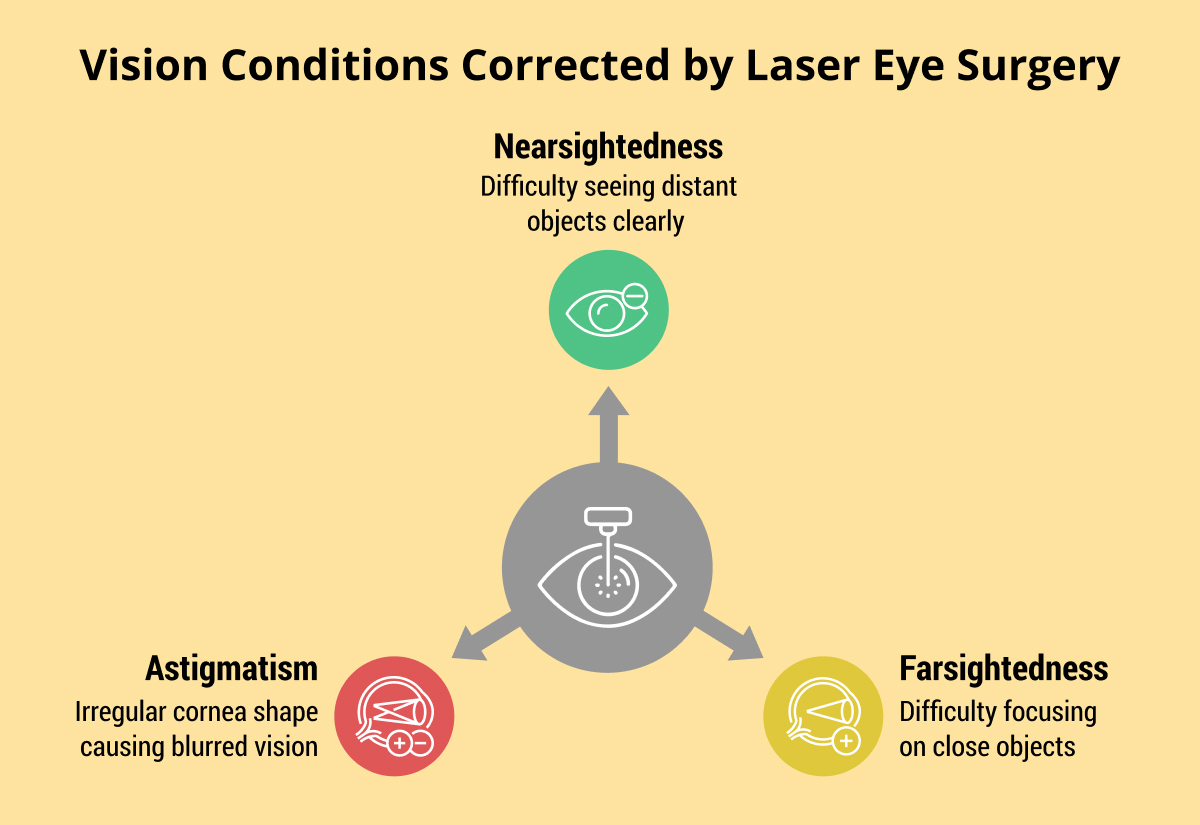
Laser vision correction is a group of procedures that reshape the cornea to correct refractive errors such as nearsightedness, farsightedness, and astigmatism. The most common procedures include LASIK and PRK, both of which use advanced laser technology to improve how light focuses inside the eye.
These procedures are designed to reduce or eliminate the need for glasses or contact lenses. During treatment, a specialized laser precisely reshapes the cornea so that incoming light is properly focused on the retina.
Modern laser vision correction procedures are highly precise and typically completed in just minutes. Most patients experience significant improvements in vision shortly after surgery.
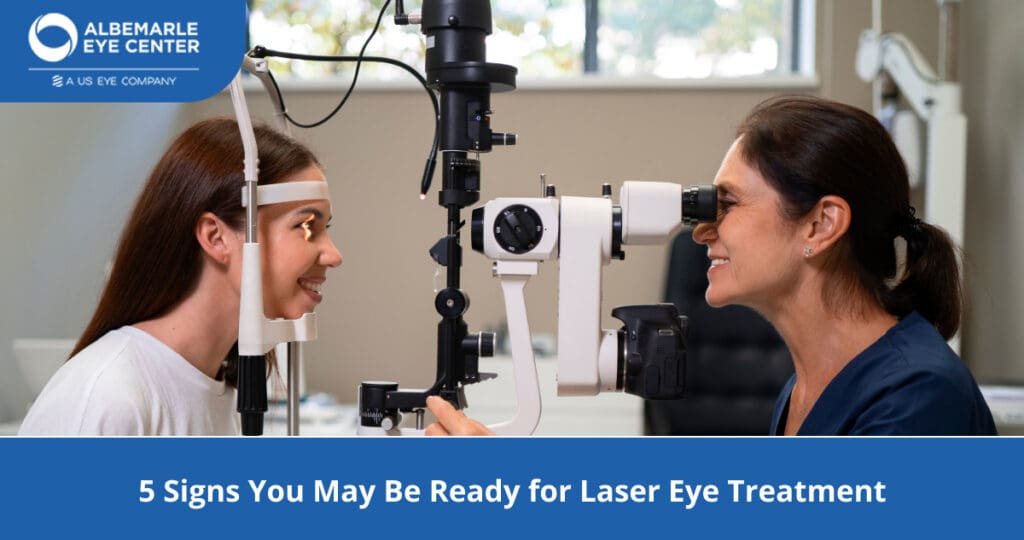
Signs You May Be Ready for Laser Vision Correction
Many patients begin exploring laser eye surgery after noticing that glasses or contact lenses are becoming inconvenient or limiting their daily activities. Several factors can indicate that the timing for laser vision correction may be right.
Doctors often evaluate multiple factors when assessing LASIK candidacy signs, including prescription stability, eye health, and overall vision goals.
Some of the most common indicators include:
- Stable vision prescription for at least one year
- Healthy corneas and overall eye health
- Age over 18 with stable vision changes
- Refractive error within treatable ranges
- Interest in reducing long-term dependence on eyewear
The following signs may indicate it’s time to consider laser eye surgery.
How Do You Know If You’re Ready for Laser Vision Correction?
Many people considering laser vision correction wonder whether they are good candidates for procedures like LASIK or PRK. While only a comprehensive eye exam can confirm eligibility, several common indicators may suggest the timing is right. Factors such as prescription stability, overall eye health, age, and vision goals all play a role in determining eligibility for laser eye surgery.
Here are five signs that indicate you may be ready to consider laser eye surgery for improved vision.
Recognizing these signs can help you better understand whether it may be the right time to explore laser vision correction with your eye care provider.
Your Prescription Has Been Stable for at Least One Year
If your glasses or contact lens prescription hasn’t changed significantly in the past 12 months, that’s a strong sign you may be ready for laser vision correction. A stable prescription yields more accurate results and reduces the likelihood of needing enhancements down the line.
Did you know? Most surgeons recommend at least 12–24 months of prescription stability before moving forward with laser eye correction.
Your Eyes Are Healthy
Successful laser eye surgery starts with healthy eyes. You should be free of conditions such as:
Your corneas should also be thick enough for reshaping—something we will assess during your pre-surgical consultation using advanced diagnostic imaging.
If LASIK isn’t right for your eyes, our team may recommend PRK or another type of laser treatment that better suits your needs.
You’re Over 18 and Finished with Vision Changes
LASIK eye surgery is FDA-approved for patients 18 and older, but most candidates see the best long-term results when their vision has stabilized in early adulthood. Hormonal changes during adolescence and pregnancy can temporarily affect eyesight, so timing is crucial.
If you’re 18 or older and your prescription is steady, you’re likely in the right window to consider laser eye correction.
You’re Within Treatable Prescription Ranges
Modern laser vision correction can address a wide range of refractive errors, including:
- Nearsightedness (up to -12.00 diopters)
- Farsightedness (up to +5.00 diopters)
- Astigmatism (up to 5.00 diopters)
Read Also: Benefits of Laser Vision Correction
If your prescription falls within these ranges, you’re likely a strong candidate for LASIK. If not, Albemarle Eye Center also offers alternatives like PRK and other advanced procedures that may better suit higher prescriptions or thinner corneas.
You’re Ready for a Long-Term Investment in Your Vision
The average person spends \$500–\$700 per year on contact lenses and related supplies. Over 10 years, that’s up to \$7,000—and doesn’t include prescription glasses or annual eye exams.
By comparison, laser vision correction is a one-time procedure, typically costing \$2,000–\$3,000 per eye. Many patients at Albemarle Eye Center use pre-tax funds from their FSA or HSA, and we offer financing plans that make treatment affordable for a wide range of budgets.
Best Age for Laser Eye Surgery
Many patients wonder what the best age for laser eye surgery is. While LASIK is FDA-approved for adults 18 and older, most surgeons recommend waiting until vision has stabilized, which often occurs in the early to mid-20s.
Age alone does not determine eligibility for laser vision correction timing. Instead, doctors focus on whether a patient’s vision prescription has remained stable and whether the eyes are healthy enough for surgery.
Many patients choose laser eye surgery in their 20s, 30s, or 40s to achieve greater convenience in daily life and long-term freedom from glasses or contact lenses.
How to Know If You’re Eligible for LASIK or PRK
Eligibility for laser eye surgery depends on several medical and vision-related factors that must be evaluated during a comprehensive eye examination. Both LASIK and PRK can treat common refractive errors, but not every patient will qualify for the same procedure.
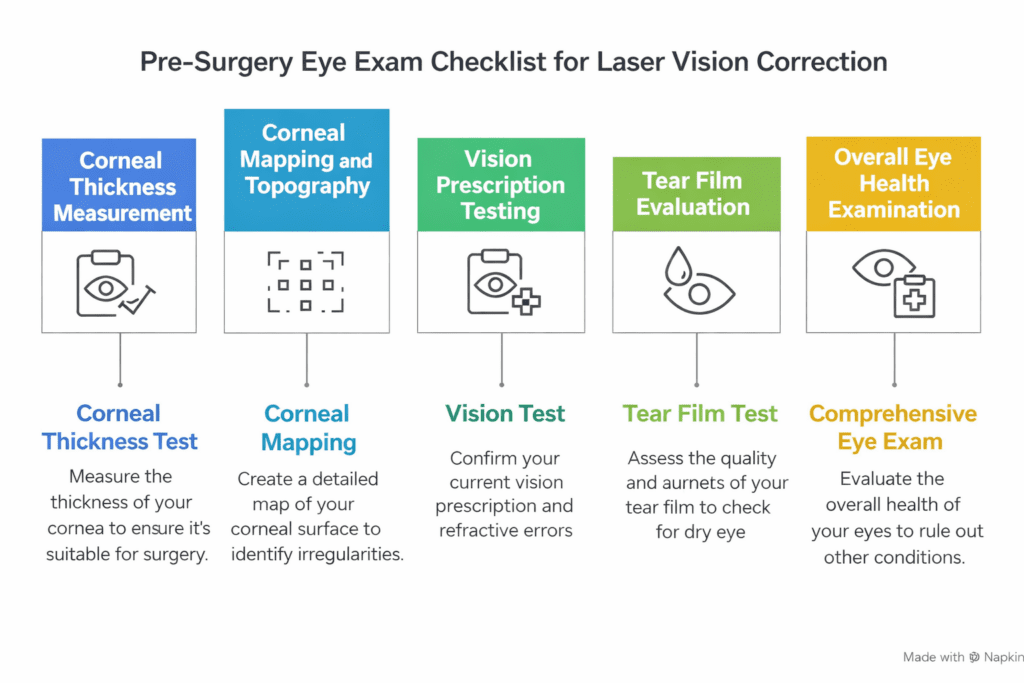
During a consultation, your eye doctor will evaluate:
- Corneal thickness and shape
- Overall eye health
- Prescription stability
- Tear production and dry eye risk
- Medical history and medications
These tests help determine whether LASIK, PRK, or another form of laser eye treatment is the safest and most effective option.
| Feature | LASIK (Laser-Assisted In Situ Keratomileusis) | PRK (Photorefractive Keratectomy) |
| How the procedure works | A thin flap is created on the cornea, and a laser reshapes the underlying corneal tissue to correct vision. | The outer layer of the cornea (epithelium) is gently removed before the laser reshapes the cornea. |
| Best candidates | Patients with healthy eyes and adequate corneal thickness. | Patients with thinner corneas or certain corneal conditions. |
| Recovery time | Vision usually improves within 24–48 hours for most patients. | Recovery may take several days to a few weeks as the corneal surface heals. |
| Comfort after surgery | Typically, there is minimal discomfort because the corneal flap protects the surface. | Mild to moderate discomfort may occur for a few days during healing. |
| Return to normal activities | Many patients resume normal activities within a day or two. | Patients may need several days of recovery before returning to normal routines. |
| Long-term results | Provides excellent long-term vision correction for many refractive errors. | Offers outcomes similar to those of LASIK once healing is complete. |
| Risk considerations | Small risk of flap-related complications. | No corneal flap is created, eliminating the risks associated with flap surgery. |
| Common recommendation | Often recommended for patients seeking quick recovery and minimal downtime. | Often recommended for patients with thin corneas, active lifestyles, or a higher risk of eye trauma. |
When to Consider LASIK vs PRK
Both LASIK and PRK are effective forms of laser vision correction, but they are recommended for different types of eyes and vision conditions. Understanding when to consider LASIK or PRK can help patients make more informed decisions about their treatment options.
LASIK is often recommended for patients with thicker corneas and stable prescriptions, while PRK may be better suited for individuals with thinner corneas or certain lifestyle considerations.
An eye surgeon will evaluate the structure of your cornea and your overall eye health to determine which procedure provides the safest and most predictable results.
When Laser Vision Correction May Not Be Right
Although laser eye surgery is safe and effective for many patients, it may not be suitable for everyone. Certain medical conditions or eye health factors can make other treatment options more appropriate.
Laser vision correction may not be recommended for individuals who:
- Have unstable vision prescriptions
- Have certain corneal conditions, such as keratoconus
- Experience severe dry eye
- Have uncontrolled diabetes or autoimmune diseases
- Are you pregnant or experiencing temporary vision changes
A comprehensive consultation helps determine the safest path forward for your vision care.
Key Takeaway
- Stable prescription matters: Most surgeons recommend at least 12–24 months of prescription stability before considering laser vision correction.
- Healthy eyes are essential: Conditions such as severe dry eye, corneal disease, or untreated eye conditions may affect eligibility.
- Age and vision maturity play a role: While laser eye surgery is FDA-approved for adults 18 and older, many patients achieve the best results once their vision stabilizes in early adulthood.
- Eligibility varies by individual: Factors like corneal thickness, eye shape, and refractive error help determine whether LASIK or PRK is the better option.
- A professional consultation is key: The most reliable way to confirm LASIK candidacy signs and determine the best treatment is through a comprehensive eye examination with an experienced surgeon.
Why Choose Albemarle Eye Center?
With locations throughout North Carolina, Albemarle Eye Center is a trusted name in advanced vision care. Our experienced team, led by Dr. Jitendra Swarup, uses the latest laser technology to deliver personalized treatment and long-term results. Whether you’re considering LASIK, PRK, or another form of laser eye treatment, we’re here to guide you every step of the way.
**The information offered in this blog is not intended to substitute expert medical advice. Always seek a qualified healthcare professional for any questions or concerns you may have regarding your specific medical condition.**
Frequently Asked Questions
What is the best age for laser vision correction?
Most surgeons recommend waiting until your vision has stabilized, which typically happens in your early to mid-20s. While LASIK and PRK are FDA-approved for adults 18 and older, the best long-term results are seen when patients have a stable prescription and have finished major vision changes. There is no strict upper age limit, but overall eye health and the presence of age-related conditions (like cataracts) are important considerations.
How do I know if I’m a good candidate for LASIK?
You may be a good candidate for LASIK if you:
- Are at least 18 years old
- Have a stable vision prescription for at least 12 months
- Have healthy eyes, free from conditions like severe dry eye, cataracts, or keratoconus
- Have a refractive error within treatable ranges
- If you are not pregnant or nursing, a comprehensive eye exam is essential to confirm your eligibility and ensure the safest results.
When should I choose PRK instead of LASIK?
PRK may be recommended if you have thinner corneas, certain corneal conditions, or an active lifestyle that increases the risk of eye trauma. Unlike LASIK, PRK does not involve creating a corneal flap, reducing the risk of flap-related complications. Your eye doctor will help determine which procedure is best based on your eye structure and vision needs.
Is laser eye surgery safe after 40?
Laser eye surgery can be safe and effective after age 40, provided your eyes are healthy and your prescription is stable. However, age-related changes such as presbyopia (difficulty seeing up close) may affect your vision correction needs. Your surgeon can discuss options such as monovision or other treatments to address both distance and near vision, if needed.
How long should my vision be stable before LASIK?
Most surgeons recommend that your vision prescription remain unchanged for at least 12 months before considering LASIK. Some may prefer 12–24 months of stability to ensure the most accurate and lasting results. Prescription stability helps reduce the likelihood of future procedures.