
The World Health Organization marks around 65.2 million people affected by cataracts, which cause moderate to severe vision loss in over a third of cases. As people grow older and average life expectancy increases worldwide, the influx of people with cataracts will mirror that growth. Although many individuals wait to seek treatment until their condition worsens, advancements in medical technology now offer an easy and reliable solution.
Table of Contents
Laser cataract surgery has set a new standard for cataract treatment, providing precise and successful outcomes with little to no disruption to your routine. But how long can you expect the benefits of this modern procedure to last?
In this blog, we’ll explore the longevity of laser cataract eye surgery results and what you can anticipate post-surgery.
How Long Do Laser Cataract Surgery Results Usually Last?
Laser cataract surgery results are designed to be long-lasting. During the procedure, the cloudy natural lens is removed and replaced with an artificial intraocular lens (IOL). These lenses are designed to remain in the eye permanently and typically do not need to be replaced.
Regular follow-up eye examinations can help monitor long-term eye health and address any changes that may affect vision after laser cataract surgery.
How Long Does an Artificial Lens Last After Cataract Surgery?
One key aspect of laser treatment for cataracts is replacing the cloudy natural lens with an artificial intraocular lens (IOL). These artificial lenses are designed to be durable and long-lasting. The materials used in these lenses, such as acrylic or silicone, are highly resistant to degradation and are biocompatible, meaning they are not likely to be rejected by the body.
Types of IOLs and Their Expected Lifespan
- Toric Lens Implants for Astigmatism Correction: Toric lens implants are a popular option for patients with astigmatism and can improve distance vision. They feature special markers that help the surgeon align the lens correctly, and these lenses generally last a lifetime. Many patients choose toric lenses at laser cataract surgery centers due to their proven track record and lifelong durability.
- Multifocal Intraocular Lenses for Presbyopia: Multifocal intraocular lenses (IOLs) are specifically designed for patients with presbyopia, the gradual loss of the eye’s ability to focus on nearby objects. These lenses provide multiple zones for different distances, allowing for improved vision both near and far. They are designed to be permanent and durable, often lasting a lifetime without replacement.
- Monofocal Intraocular Lenses for Single Distance Focus: Monofocal intraocular lenses (IOLs) provide clarity at one fixed distance, either near, mid-distance, or far. These lenses are typically chosen for their stability and long-lasting performance, often lasting a lifetime without replacement.
The toric and multifocal lenses allow less dependence on glasses after surgery.
Artificial Lens Types and Expected Longevity
| Artificial Lens Type | Vision Range | Expected Longevity | Important Considerations |
| Monofocal IOL | One primary focusing distance, such as near or far | Designed to remain in the eye permanently | Glasses may still be needed for distances outside the lens’s targeted focus |
| Toric IOL | Vision range depends on the lens design while also addressing astigmatism | Designed to remain in the eye permanently | Accurate positioning is important for astigmatism correction |
| Multifocal IOL | Multiple ranges of vision, including near and distance | Designed to remain in the eye permanently | Visual experience varies between patients, and glasses may still be needed for some activities |
Monofocal IOLs generally provide one focusing distance, while toric IOLs are designed to correct astigmatism and multifocal IOLs provide more than one focusing range. Your ophthalmologist can discuss which type of IOL may be appropriate based on your eyes, visual needs, and overall eye health.
What Can Affect Long-Term Cataract Surgery Results?
Several factors can influence the lifespan and effectiveness of laser cataract removal outcomes. Here are some key considerations:
Patient’s Overall Health
Conditions such as diabetes or autoimmune disorders can affect healing and increase the likelihood of complications by affecting the body’s natural ability to repair tissues and ward off infections. High blood sugar levels associated with diabetes can contribute to delayed healing and increase the risk of certain eye complications. Your ophthalmologist will review your overall health history and develop a care plan based on your individual needs.
Pre-existing Retinal Diseases
According to the American Academy of Ophthalmology, conditions such as diabetic retinopathy, age-related macular degeneration (AMD), and retinal vein occlusion (RVO) can complicate cataract surgery by exacerbating existing conditions or increasing the risk of complications such as cystoid macular edema. Managing these conditions preoperatively and monitoring them closely postoperatively can help optimize surgical outcomes and lower the risk of complications.
Can Cataracts Come Back After Laser Cataract Surgery?
No. Cataracts cannot grow back after cataract surgery because the cloudy natural lens that developed the cataract has been removed and replaced with an artificial intraocular lens (IOL).
However, some patients may experience cloudy or blurry vision months or years after surgery. This is often caused by posterior capsule opacification (PCO), sometimes called a “secondary cataract.” PCO occurs when the thin capsule behind the artificial lens becomes cloudy. It is not a new cataract and does not mean the IOL has become damaged.
Can Your Vision Change Years After Cataract Surgery?
Scheduled visits to your eye doctor are important for monitoring changes in your vision and overall eye health. While the artificial lens is designed to remain permanently in place, conditions such as posterior capsule opacification, retinal changes, dry eye, or prescription changes may affect vision over time.
Regular eye examinations allow your ophthalmologist to identify changes early and recommend appropriate care when needed.
Following post-surgery instructions, including using prescribed medications and attending follow-up appointments, can support proper healing.
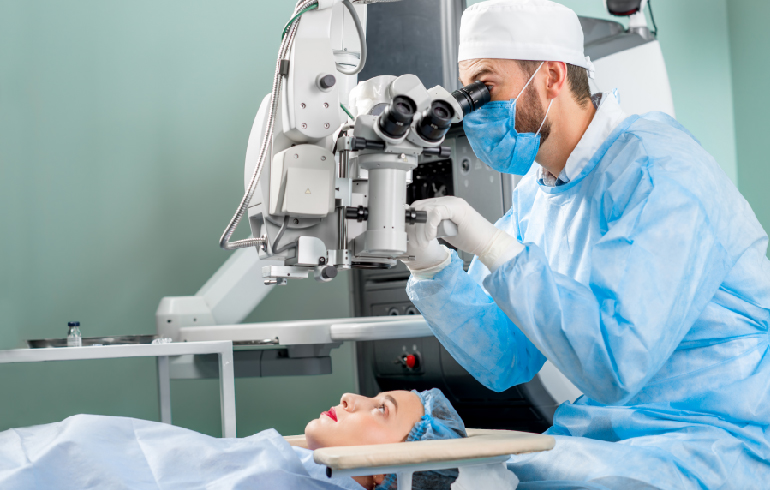
Long-Term Vision Timeline After Cataract Surgery
The first days after surgery: Some blurriness can occur while the eye begins healing. Patients should follow their ophthalmologist’s instructions regarding eye drops, activity restrictions, and follow-up appointments.
The following weeks: Vision generally continues to stabilize as the eye heals. The National Eye Institute notes that complete healing can take several weeks, and follow-up examinations allow the ophthalmologist to monitor recovery.
After the eye has healed: Some patients may need an updated eyeglass or contact lens prescription to achieve their clearest vision.
Months or years later: The artificial lens remains in the eye, but vision may still change because of PCO, refractive changes, or other eye conditions. PCO, in particular, may develop weeks, months, or years after cataract surgery.
How to Maintain Clear Vision After Cataract Surgery
Following the ophthalmologist’s post-surgery care instructions is critical for ensuring lasting results. This includes using prescribed eye drops, avoiding strenuous activities, and attending all follow-up appointments. Proper care can prevent infections and other complications, extending the benefits of laser treatment for cataract removal.
Lifestyle Factors
Your lifestyle can also influence the success of your surgical results. Minimizing exposure to harmful environments, such as those with excessive UV light or potential eye irritants, can protect your eyes. Wearing sunglasses and safety gear when necessary can further help maintain the quality of your vision.
When Should You Schedule a Follow-Up Eye Exam?
Besides detecting complications, regular visits to an eye doctor ensure your prescription for glasses or contact lenses remains up-to-date. As your eyes continue to heal and adapt post-surgery, you may notice changes in your vision that require minor adjustments to your corrective eyewear—discussing any lifestyle changes or symptoms with your ophthalmologist to get valuable insights for your personalized vision care.
Signs That You Should Contact Your Eye Doctor
Contact your eye doctor if you experience new or concerning changes in your vision after cataract surgery. The National Eye Institute advises contacting an eye doctor promptly after surgery for symptoms including vision loss, significant or persistent eye pain, very red eyes, flashes of light, or many new floaters.
A sudden increase in floaters, flashes of light, or a dark curtain or shadow across your vision can also be associated with a retinal tear or retinal detachment and requires prompt medical evaluation.
Even years after surgery, new blurry or cloudy vision should be evaluated rather than assumed to be a problem with the artificial lens. Your ophthalmologist can determine whether the change is related to PCO, a prescription change, or another eye condition.
Ready to book your appointment with an experienced ophthalmologist? Albemarle Eye Center is a US Eye company with practices in Edenton, Elizabeth City, Kinston, Kitty Hawk, and Washington, NC, USA.
**The information offered in this blog is not intended to substitute expert medical advice. Always seek a qualified healthcare professional for any questions or concerns you may have regarding your specific medical condition.
Frequently Asked Questions
How long does an intraocular lens last, and does it ever need to be replaced?
An intraocular lens (IOL) is designed to remain in the eye permanently and generally does not require routine replacement. Most patients can expect their IOL to last for the rest of their lives. In uncommon circumstances, however, an ophthalmologist may recommend repositioning, exchanging, or otherwise addressing the lens because of a specific clinical issue. Any decision regarding an IOL should be based on a comprehensive eye examination and the patient’s individual circumstances.
Can cataracts grow back after surgery?
No. The natural lens in which the cataract developed has been removed, so the same cataract cannot return. Cloudy vision that develops later may instead be caused by posterior capsule opacification or another eye condition.
What causes blurry vision years after cataract surgery?
Several conditions can affect vision after cataract surgery. One possible cause is posterior capsule opacification, which can occur weeks, months, or years later. Dry eye, refractive changes, corneal conditions, and retinal conditions can also affect vision, making an eye examination important for identifying the cause.
Can my prescription change after cataract surgery?
Yes. Once the eye has healed after cataract surgery, some patients still need glasses or contact lenses for their clearest vision, and prescriptions can change over time. Regular eye examinations help determine whether a new prescription or another type of eye care is appropriate.